Seller album · topgoosey yupoo
TopGoosey Yupoo: the down-jacket album, judged on baffles and fill
TopGoosey’s name writes its own brief: goose down. The album is judged almost entirely on three things a photo can only partly show — baffle geometry, fill weight and shell hand-feel. This page tells you which of the three you can actually verify before paying.
| Focus | Down outerwear |
|---|---|
| Photo strength | Baffles, panel joins |
| Unverifiable | Fill power, loft |
Album facts
What can be stated without guessing
| Focus | Down outerwear |
|---|---|
| Photo strength | Baffles, panel joins |
| Unverifiable | Fill power, loft |
| Album width | Narrow |
| Pricing | Off-album |
| Best for | Puffers and gilets |
Reading order
How to read the TopGoosey album
The order matters: each step removes something you would otherwise have to guess.
Count baffles and compare with retail
Panel count and stitch spacing change how a puffer drapes. Put the album frame next to a retail photo and count.
Read the shoulder join
A raglan join photographed flat shows whether the sleeve rotates cleanly. That is the seam that fails first on cheap puffers.
Ask for fill weight per size
One number per size, in grams. A single figure for the whole run is a marketing answer, not a specification.
Verdict, in two columns
What holds up and what does not
| Holds up | Does not hold up |
|---|---|
| Outerwear listings are photographed flat as well as worn, so baffle geometry is readable: stitch spacing, panel count and how the shoulder joins the sleeve. | Fill power is not photographable. Any number you are given is a claim from the seller until the parcel weight backs it up. |
| The album is narrow enough that outerwear is not buried under t-shirts. You can compare four jackets in the time another album takes to load one category. | Down jackets are the category where sample variance is largest: the same listing can ship with visibly different loft between two orders. |
| Shell close-ups are usually included, which is where you see whether a fabric has a dry hand or a plastic sheen. | Narrow albums age badly when a season ends. Expect the best listings to disappear rather than restock. |
Catalogue evidence
What TopGoosey links to, seen at real size
Nine listings from WWTop Yupoo that sit in the same lane as this album. The photo count on each card is the number of frames you would get before paying.
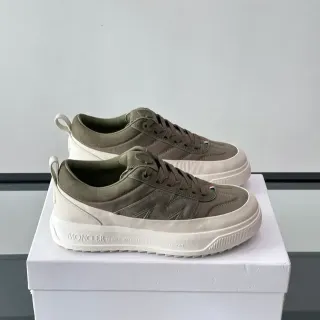 5 photosMonclerMoncler Army Green Beige Low-Top Platform Sole SneakersSee listing at wwtopyupoo.com
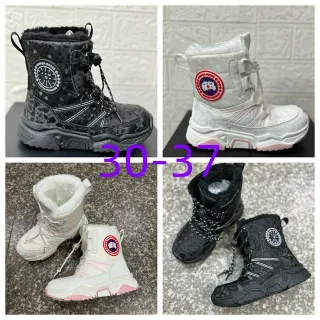 20 photosCanada GooseCanada Goose Arctic Program Leopard-Print Black Kids Snow BootsSee listing at wwtopyupoo.com
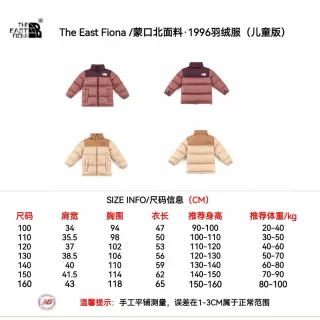 28 photosThe North FaceThe North Face 1996 Retro Nuptse Dusty Rose Maroon Down JacketSee listing at wwtopyupoo.com
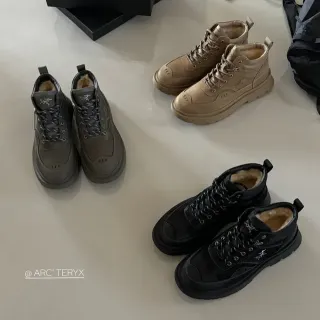 10 photosArc’teryxArc'teryx Black Beige Insulated Shearling-Lined Mixed-Material Upper…See listing at wwtopyupoo.com
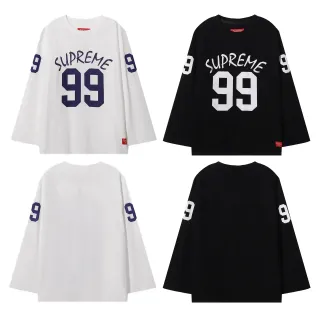 10 photosSupremeSupreme 99 White Navy Long-Sleeve Crewneck JerseySee listing at wwtopyupoo.com
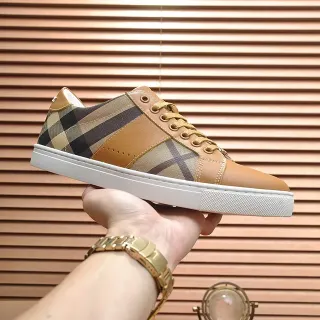 5 photosBurberryBurberry Beige Black House Check Textile Tan Leather Panels Lifestyle SneakersSee listing at wwtopyupoo.com
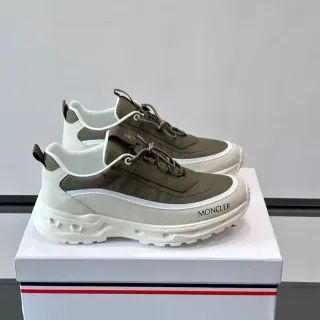 5 photosMonclerMoncler Army Green White Olive Textile Upper Sculpted Midsole SneakersSee listing at wwtopyupoo.com
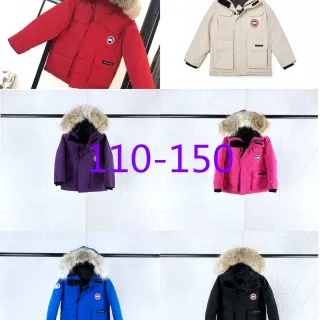 55 photosCanada GooseCanada Goose Expedition Red Beige Hooded Fur-Trimmed ParkaSee listing at wwtopyupoo.com
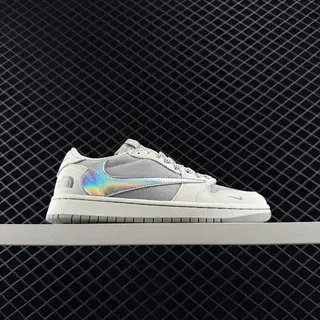 5 photosThe North FaceThe North Face Air Jordan 1 Low Gray Beige Holographic Iridescent Panel…See listing at wwtopyupoo.com
Product photos and links belong to WWTop Yupoo; each link carries ref=yupoo.asia.Each image links to its listing on the promoted site with this site’s referral parameter.
Before you pay
What to put to the TopGoosey seller, in order
- 01
Weigh the parcel before shipping
A down jacket that arrives lighter than the quoted fill plus shell weight is the cheapest possible check, and it is objective.
- 02
Ask for a loft photo after compression
Have the seller compress the jacket, release it and photograph it five minutes later. Recovery is what down is for.
Overlap
Brands that show up alongside TopGoosey
Sellers overlap on the big houses, which is exactly what makes a side-by-side comparison possible. Each brand page explains what to look at once you are inside.
FAQ
TopGoosey questions
Is TopGoosey only down jackets?
The album is concentrated in down outerwear, which is what its name implies. Other categories exist but get far less photographic attention.
Can a photo prove fill power?
No. Fill power is a laboratory measure of loft per ounce. Photos can show baffle geometry and shell quality; the number itself must come from a specification and a parcel weight.
Why do the best TopGoosey listings vanish?
Narrow, season-driven albums restock by replacing listings rather than adding them. Save the product name and the measurements, not just the link.
Core terms are taken from this site’s eighteen-keyword map; the rest are page-specific long-tail phrases. Google stopped using the meta keywords tag as a ranking signal in 2009 — the tag is still emitted for other engines and for editorial discipline, but ranking comes from the title, the H1, the first paragraph, internal anchors and the body copy.