Seller album · thunder yupoo
Thunder Yupoo: an outerwear-heavy album with the deepest photo sets
Thunder’s album reads like a jacket catalogue: puffer baffles, shell seams and hardware close-ups get their own frames. That depth is exactly what you need for outerwear, and exactly what you do not need for a t-shirt.
Focus
What this album is actually built around
4 traits decide whether the album is useful to you. They are not quality claims — they are what the layout and the category codes point at.
- 01Deep outerwear photo sets
- 02Hardware close-ups
- 03Baffle and seam frames
- 04Seasonal re-cuts
Catalogue evidence
What Thunder links to, seen at real size
Nine listings from WWTop Yupoo that sit in the same lane as this album. The photo count on each card is the number of frames you would get before paying.
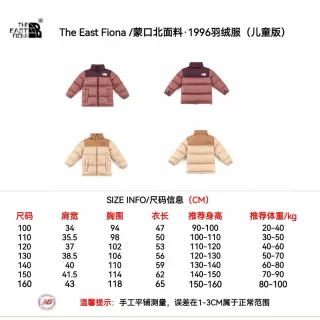 28 photosThe North FaceThe North Face 1996 Retro Nuptse Dusty Rose Maroon Down JacketSee listing at wwtopyupoo.com
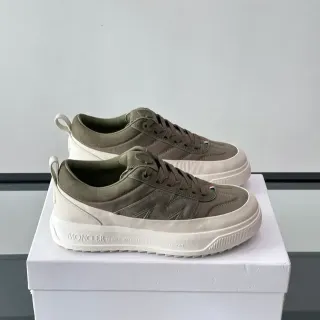 5 photosMonclerMoncler Army Green Beige Low-Top Platform Sole SneakersSee listing at wwtopyupoo.com
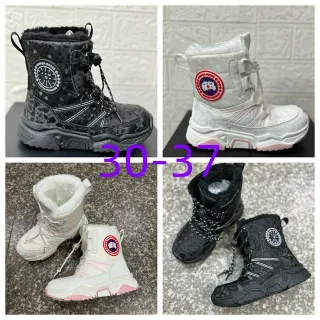 20 photosCanada GooseCanada Goose Arctic Program Leopard-Print Black Kids Snow BootsSee listing at wwtopyupoo.com
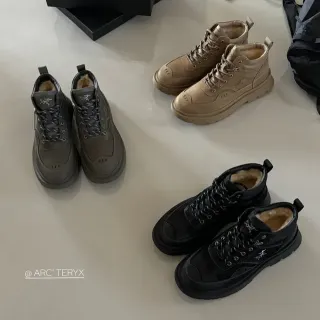 10 photosArc’teryxArc'teryx Black Beige Insulated Shearling-Lined Mixed-Material Upper…See listing at wwtopyupoo.com
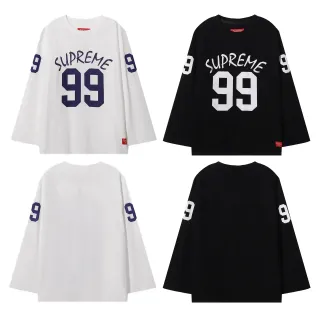 10 photosSupremeSupreme 99 White Navy Long-Sleeve Crewneck JerseySee listing at wwtopyupoo.com
 5 photosBurberryBurberry Beige Black House Check Textile Tan Leather Panels Lifestyle SneakersSee listing at wwtopyupoo.com
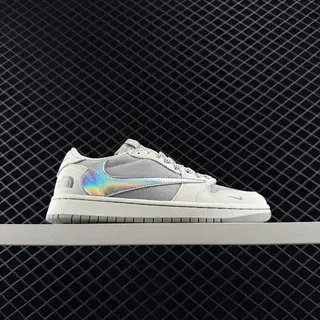 5 photosThe North FaceThe North Face Air Jordan 1 Low Gray Beige Holographic Iridescent Panel…See listing at wwtopyupoo.com
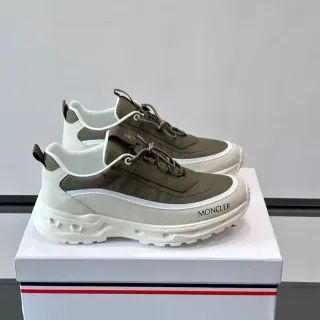 5 photosMonclerMoncler Army Green White Olive Textile Upper Sculpted Midsole SneakersSee listing at wwtopyupoo.com
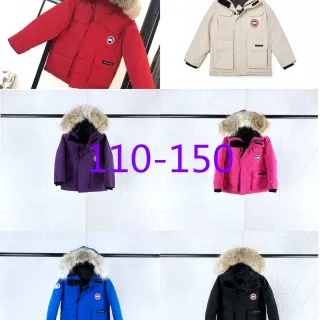 55 photosCanada GooseCanada Goose Expedition Red Beige Hooded Fur-Trimmed ParkaSee listing at wwtopyupoo.com
Product photos and links belong to WWTop Yupoo; each link carries ref=yupoo.asia.Each image links to its listing on the promoted site with this site’s referral parameter.
Reading order
How to read the Thunder album
The order matters: each step removes something you would otherwise have to guess.
Open the hardware frames first
Zips, snaps and eyelets are where a jacket declares its price bracket. Two minutes on hardware tells you more than ten minutes on the cover.
Count baffles on the front panel
Compare the baffle count and stitch spacing against a photo of the retail jacket. A different count changes how the jacket hangs.
Ask for the fill weight
Photos cannot show loft. Ask for the fill weight in grams and the shell composition before you commit.
Balanced view
What the Thunder album gives you, and where it stops
Works in your favour
- Outerwear listings carry dedicated frames for baffles, zip pulls, cuffs and hem drawcords. Those four details are where cheap outerwear fails first, and they are the four a normal album skips.
- Seasonal re-cuts are frequent, so the album reflects what is actually being made now rather than a two-year-old photo set.
- Hardware close-ups let you compare a zip pull and a snap stud against a retail photo without needing the seller to answer a question.
Stops short
- Depth is uneven. A jacket gets twelve frames, a t-shirt gets three. Do not assume the same evidence level across categories.
- Frequent re-cuts break saved links. Keep the category code and the product name, not just the URL.
- Puffers are the hardest category to judge from photos at all: fill power and loft do not photograph well.
QC
Four things to verify on Thunder
Check seam sealing on shells
Ask for a photo of the inside shoulder seam. Taped seams are visible; a missing tape is not something a cover shot will reveal.
Check the zip run, not just the pull
A convincing pull on a sticky zip is a common pattern. Ask for a short video of the zip closing.
Overlap
Brands that show up alongside Thunder
Sellers overlap on the big houses, which is exactly what makes a side-by-side comparison possible. Each brand page explains what to look at once you are inside.
Album facts
What can be stated without guessing
- StrengthOuterwear and puffers
- Photo depthUp to 12 frames per jacket
- StructureSeasonal re-cuts
- PricingOff-album, by quote
- Weak spotThin coverage on basics
- Best forJackets, shells, gilets
FAQ
Thunder questions
Is Thunder good for jackets only?
Its photo depth is concentrated in outerwear. Basics exist, but they get three frames where a jacket gets twelve, so the evidence is thinner.
Why do Thunder links stop working?
Frequent re-cuts move listings between blocks. Save the category code and the product name so you can find the item again after a reshuffle.
Can photos prove down fill?
No. Fill composition, fill power and loft need a specification from the seller and, ideally, the parcel weight. Photos only show the shell.
Core terms are taken from this site’s eighteen-keyword map; the rest are page-specific long-tail phrases. Google stopped using the meta keywords tag as a ranking signal in 2009 — the tag is still emitted for other engines and for editorial discipline, but ranking comes from the title, the H1, the first paragraph, internal anchors and the body copy.