









Catalogue partner:WWTop Yupoo— 744 photographed listings read from wwtopyupoo.comReviewed 27 October 2026

Brand file · amiri yupoo

Amiri Yupoo: distressed denim and the wash that never photographs honestly

Amiri listings live and die on the wash. Every album shows a blown-out white background that flattens the indigo, so the colour you receive is always a surprise unless you ask for a daylight frame.

What to look at

Three parts of a Amiri listing that carry evidence

  • 01

    Ask for daylight, not studio

    One frame outdoors at noon. Printed fades read flat and even; real abrasion reads uneven, with a lighter halo around seams.

  • 02

    Distressing is placed, not random

    Check whether rips sit where a body bends. Rips across the knee cap and hip are believable; rips in the middle of a flat panel are decorative.

  • 03

    Weigh the denim

    Amiri denim is usually mid-weight. Ask for grams per pair; a 400 g pair is a lighter jean than the listing’s styling suggests.

Catalogue

Amiri as the catalogue actually files it

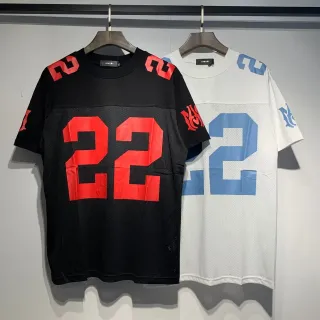
Twelve Amiri listings from the catalogue, with photo counts visible so you can see how much evidence each one carries.

Photographs and listings belong to WWTop Yupoo; every link carries ref=yupoo.asia.Each image links to its listing on the promoted site with this site’s referral parameter.

Word for word

Two messages that get a usable answer

Copy these, replace nothing, and you will get a photo instead of a promise.

  • “Can you photograph the wash in daylight, front and back?”

    Studio lighting flattens indigo into grey.

  • “What is the exact waist and inseam in centimetres?”

    Amiri sizing drifts per seller and per wash.

Where it sits

Amiri is searched for in 4 contexts

The same house asks a different question depending on the product. Open the category that matches what you are buying, because the checks do not transfer.

Albums

Where the brand turns up

Field notes

Amiri details that only a close frame settles

Three observations about Amiri materials, written from the frames these albums actually publish. They apply to the listing you are reading now, whichever seller is behind it.

01

The wash pattern is the one thing denim frames settle

Indigo loss on a pair of distressed jeans follows the leg, so the same wash should read the same way across both thighs, the knees and the hem stack. Ask for one frame with both legs laid flat and one close-up of a worn patch: if the abrasion is printed rather than worn, the edges will be uniform, the same depth on high-wear and low-wear areas, and the white threads will sit on top of the fabric instead of showing through it.

02

Distressing is a pattern; weight is a measurement

No photograph tells you whether a denim is 12 oz or 14 oz, whether there is elastane, or how a mill finished the weft. What the frames can show is the distressed edges: frayed yarn should be varied in length and direction, and the plastered repairs should sit under the abrasion rather than over it. Ask for the weight in writing, and treat a seller who answers only with adjectives as a seller who has not weighed the pair.

03

Three frames worth requesting before you decide

First, the pair flat with a tape across the waist and the hem so the cut can be judged against a pair you own. Second, the inner thigh and seat, where repairs and reinforcement are either present or absent. Third, the hardware from the reverse: rivets and shank buttons read as stamped or cast from behind, and that is the side nobody styles.

FAQ

Amiri questions

Why does Amiri denim look different in person?

Because albums are shot on white with strong flash. Indigo reflects that light and reads two shades lighter than it will on a body.

Are Amiri MX1 sneakers sized like other sneakers?

Not consistently. Ask for insole length in centimetres and compare it with a pair that fits you before choosing a size.

yupookoala yupoomvt yupoowwtop yupoodreamremake yupooamiri denim washamiri distressed jeans qcamiri hoodie weightamiri mx1 sizing

Core terms are taken from this site’s eighteen-keyword map; the rest are page-specific long-tail phrases. Google stopped using the meta keywords tag as a ranking signal in 2009 — the tag is still emitted for other engines and for editorial discipline, but ranking comes from the title, the H1, the first paragraph, internal anchors and the body copy.